How dogs learn, communicate, and respond to what’s happening.
I’ll talk about dog behavior all day. These articles explore what behavior can tell us, what it can’t tell us by itself, and how we can respond while we learn. To tell you what’s happening with your dog, I need to see your dog and the situation.
Understanding Dog Behavior
Articles on learning, communication, function, and how context changes what dogs do.
How Do Dogs Learn?
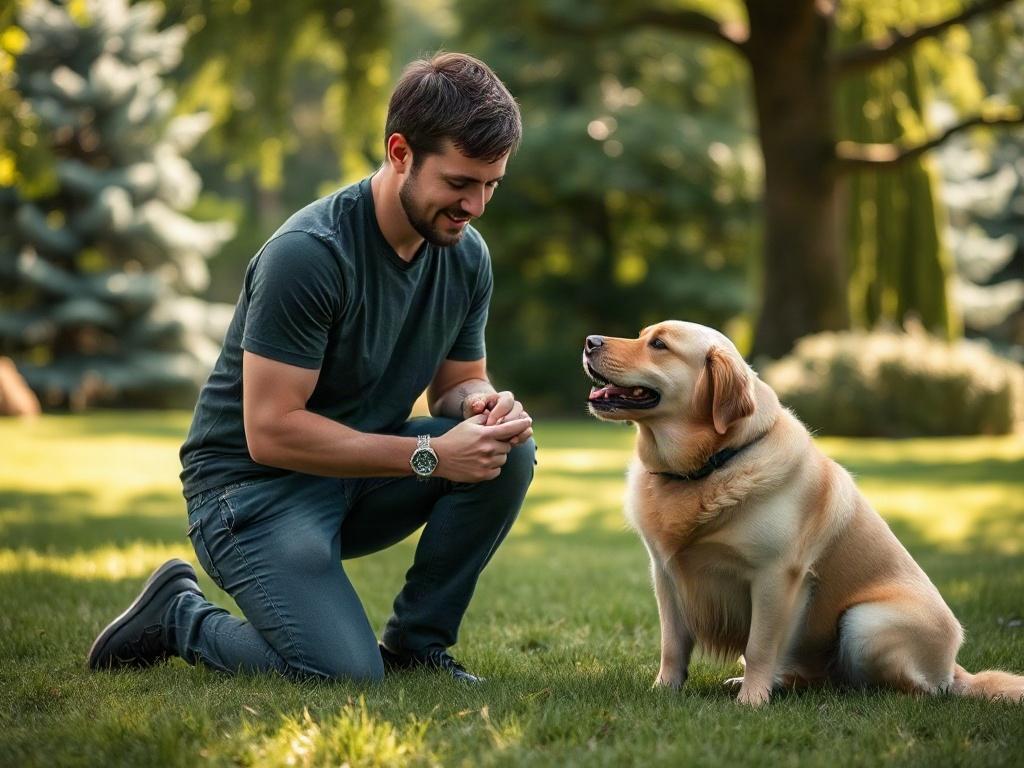
Dogs learn from what happens around them: consequences, cues, and context. Learn why everyday patterns matter and how skills carry into new situations.
Arousal describes a dog’s level of activation, not whether they feel good or bad. Learn how activation can affect behavior and what to change in the moment.
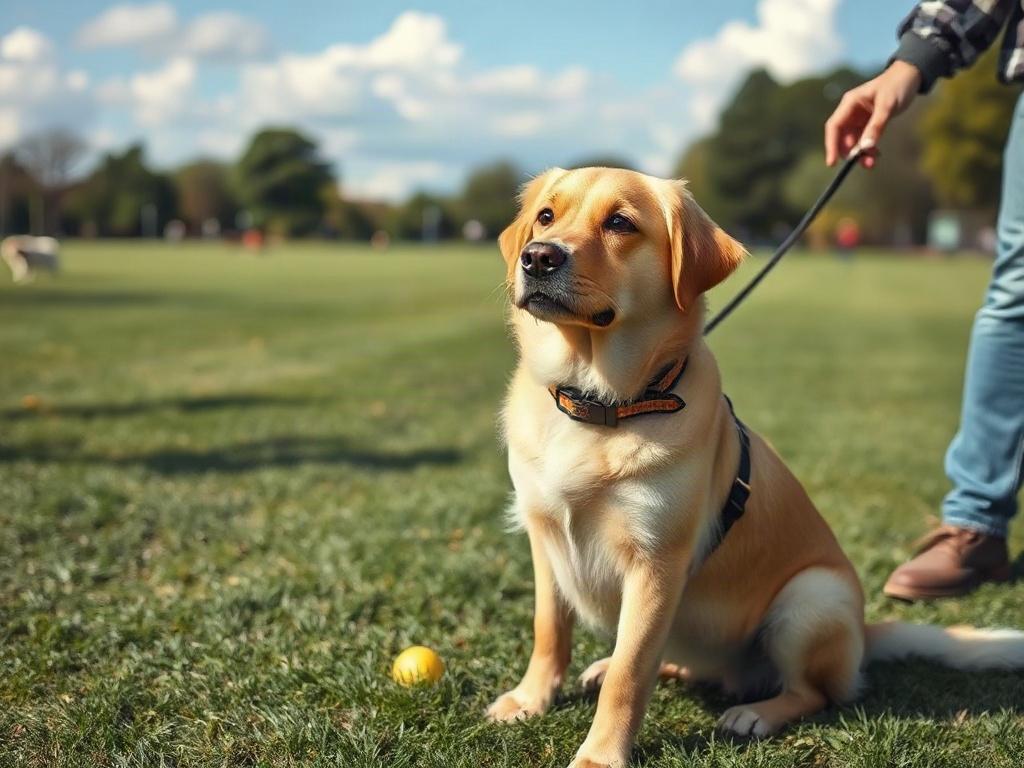
In this blog post, we delve into the crucial concept of generalization in dog training, exploring how your furry friend can learn to apply commands in various environments beyond the home. We provide practical steps to enhance your dog’s focus, ensuring they remain attentive in distracting situations like busy parks or bustling streets. Additionally, we discuss adaptable training techniques tailored to tackle challenging scenarios effectively, empowering you and your dog to navigate the world confidently together. With these insights, you’ll transform training into a rewarding journey that prepares your dog for success in any setting.