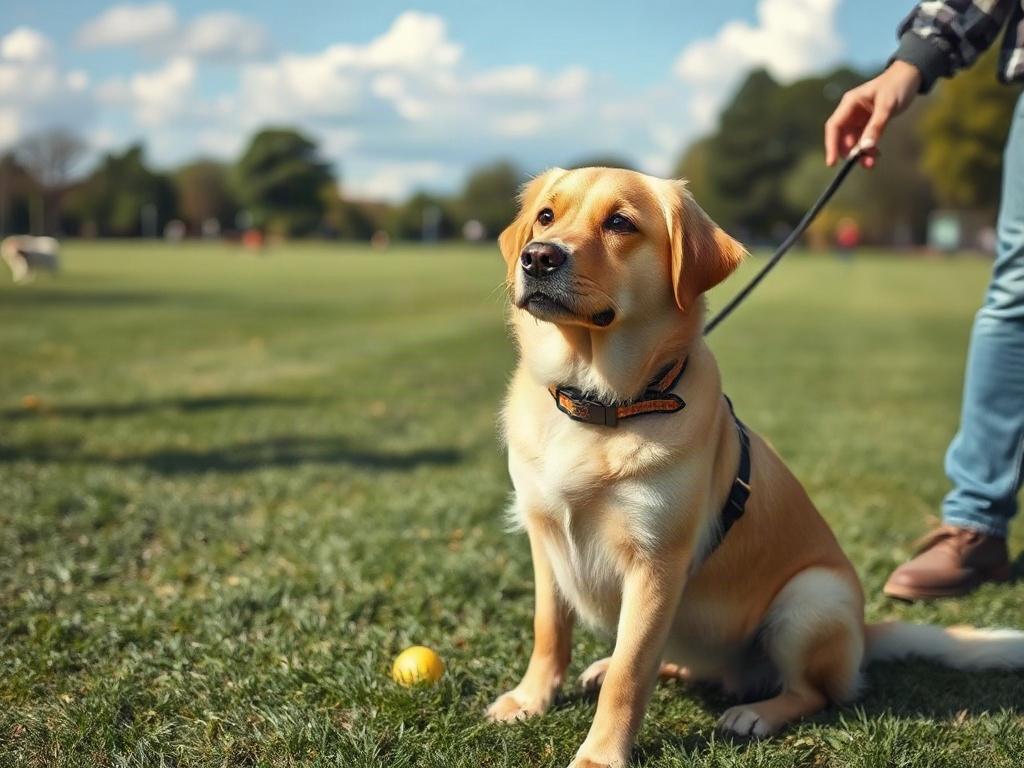
A dog may come when called in the living room and not respond as readily on a busy sidewalk. That difference can feel like refusal, but the situations place different demands on the dog.
Dogs learn in context. The location, people, sounds, movement, and events around a cue can all become part of the learning history. A cue that works in one setting may not yet work as well somewhere else. This is called generalization: using what was learned across different situations.
Help the skill travel
Start in a setting where your dog can respond. Then change one part: try another room, a quiet yard, or a slightly greater distance from a distraction. Make it easier again if the dog struggles.
If your dog doesn’t respond outside, don’t keep repeating the cue while the situation stays difficult. Create distance, move somewhere quieter, or pause the practice. Once your dog is able to respond, you can build the skill gradually in new settings.
A dog who can do something at home has learned something useful. Our job is to help that learning carry into other situations, while adjusting when the conditions make the task too hard.